
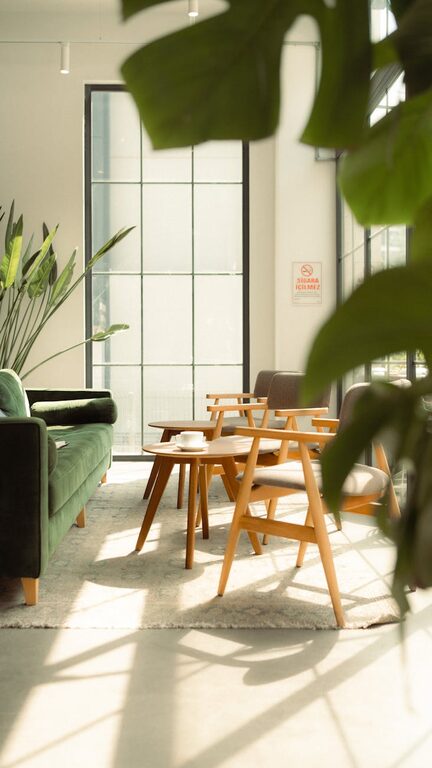
Creating a peaceful and quiet environment at home is essential for relaxation, work, and overall well-being. Whether you live in a bustling city or a noisy neighborhood, reducing noise inside your home can make a significant difference in comfort and focus. The good news is, you don’t need expensive renovations to dampen unwanted sounds. This post will share practical, simple ways to reduce noise at home that anyone can try.
Understanding Noise Sources at Home
Before diving into solutions, it helps to identify common sources of noise in and around your home. These often include:
– Street traffic and outdoor noise
– Loud neighbors or pets
– Appliances like washing machines and HVAC systems
– Echoes and sound reflections indoors
Knowing what causes most disturbances will help you target the right areas and methods to reduce noise effectively.
Use Soft Furnishings to Absorb Sound
One of the easiest ways to reduce noise is by incorporating soft materials that absorb sound waves.
Curtains and Drapes
Heavy curtains or drapes over windows can block outside noise and prevent sound from bouncing around inside. Consider:
– Thick, dense fabrics like velvet or specially designed soundproof curtains
– Layering curtains to increase absorption
Rugs and Carpets
Hard floors reflect sound and create echoes. Covering floors with rugs or carpets helps absorb sound and reduce reverb. Opt for:
– Thick, dense rugs
– Carpet padding underneath for extra cushioning
Cushions and Upholstered Furniture
Soft furniture items naturally absorb noise. Adding more cushions or choosing upholstery over leather or wood can help reduce sound reflections within rooms.
Seal Gaps and Cracks to Prevent Noise Leakage
Noise often enters a room through gaps around doors, windows, or walls.
Weatherstripping
Applying weatherstripping around doors and windows seals gaps where noise can slip through. This inexpensive fix also improves energy efficiency.
Door Sweeps
Attach door sweeps or draft stoppers to the bottom of doors to block sound from hallways or other rooms.
Caulking
Use caulk or sealant to fill cracks or gaps around window frames, baseboards, and electrical outlets. Even small cracks can let significant noise in.
Rearrange Furniture to Create Sound Barriers
Strategic furniture placement can act as a sound barrier.
– Place bookshelves filled with books against walls that face noisy external sources.
– Position large furniture like sofas or wardrobes along walls shared with neighbors to help absorb sound.
– Dense plants near windows or doors can also help reduce noise slightly.
Use White Noise or Sound Machines
If completely blocking noise isn’t possible, consider masking it.
– White noise machines produce a consistent ambient sound that covers up sudden disturbances.
– Fans or air purifiers can act similarly.
– Apps on phones or smart speakers offer customizable soundscapes such as ocean waves or rainfall.
Install Acoustic Panels or Wall Treatments
For a more dedicated approach, acoustic panels absorb and diffuse sound waves.
– DIY options include foam panels or fabric-wrapped boards mounted on walls.
– These treatments are especially helpful in home offices, media rooms, or bedrooms.
– Acoustic tiles can also improve sound quality for music lovers or gamers.
Upgrade Windows and Doors if Possible
Windows and doors are common weak points for sound insulation.
– Double- or triple-pane windows reduce noise significantly compared to single-pane versions.
– Solid-core doors provide better soundproofing than hollow-core doors.
– If replacement isn’t an option, adding interior storm windows or door seals can improve noise reduction.
Reduce Noise from Appliances and Electronics
Some household devices contribute to the noise level.
– Place loud appliances like washing machines or dryers on mats or rubber pads to dampen vibrations.
– Regular maintenance keeps HVAC systems quieter.
– Turn off or reduce the volume of electronics when not in use.
Create Quiet Zones in Your Home
Designate specific rooms or corners of your home as quiet zones.
– Avoid placing noisy items or activities in these spaces.
– Use soundproofing techniques mentioned above to make these zones peaceful retreats.
Final Thoughts
Reducing noise at home doesn’t always require major construction or costly upgrades. A combination of simple fixes—like adding soft furnishings, sealing gaps, rearranging furniture, and masking sounds—can create a much quieter and more comfortable living space. Experiment with different approaches to find what works best for your home and lifestyle. With some effort and creativity, you can enjoy a peaceful sanctuary free from unwanted noise.